
Blog
Central Heating Faults: Safe Checks Before You Call
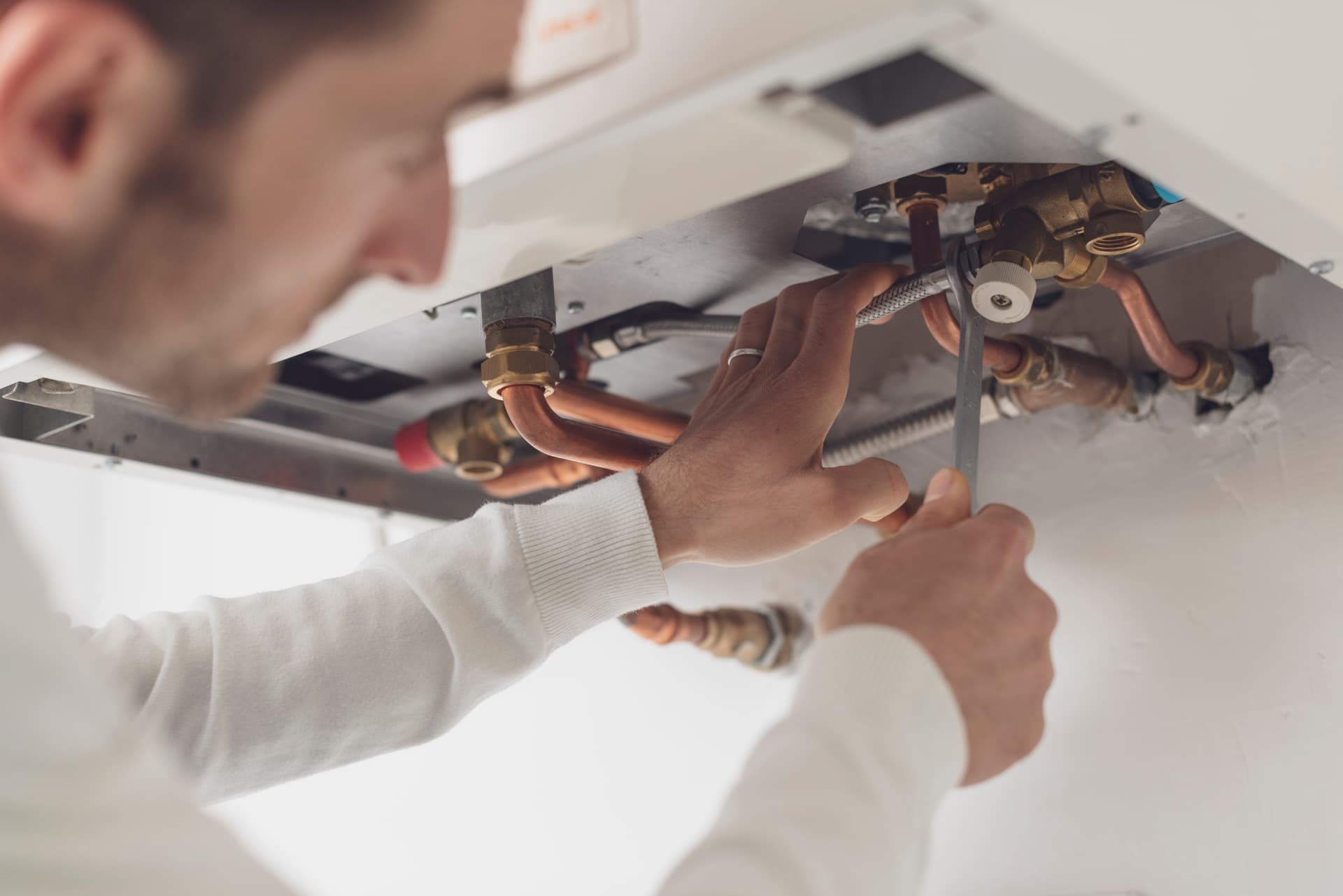
A heating fault does not always mean a component has failed. A thermostat set too low, a changed timer setting or an issue with the boiler can all leave radiators cold, but the clues are different. A few safe checks can help you give us a clearer picture before a repair visit. They are not a substitute for diagnosing the system, and you should not remove the boiler casing or work on internal parts.
Start with what has stopped working
Notice whether you have lost heating, hot water or both. If the taps still produce hot water but the radiators are cold, the boiler can still provide hot water even though the radiators are cold. The fault may be connected with heating controls or the part of the system that directs heat to the radiators. If both heating and hot water are affected, note that too: it can point towards a shared supply, control or boiler issue. These are clues, not a diagnosis.
Also check whether every radiator is cold or only some. One cold radiator is different from a whole house without heat. Make a note of rooms that are affected and whether any radiators are only partly warm. That pattern can help us narrow down what to inspect, without assuming the cause in advance.
Check the controls and power
Look first at the timer or heating control that sets when your heating comes on. Check that it is set so the heating should come on, and that the displayed time and settings look right. A power interruption or an accidental change can alter the schedule. If there is a separate room thermostat, check that its setting is above the current room temperature and that it has power, following its instructions if it uses batteries.
Then look for any obvious loss of power to the boiler, such as a display that is blank. You can check the household fuse box for a tripped switch, but do not repeatedly reset a switch that trips again. A recurring trip needs proper investigation. Avoid opening electrical covers or touching wiring.
Read the boiler display, but do not treat it as a verdict
If the boiler shows a fault code or warning light, write down exactly what appears. The code can help identify which part of the appliance needs attention, but it does not always confirm that the named component itself has failed. A fault elsewhere in the system can sometimes produce a similar symptom, so replacing a part based on a code alone can miss the underlying problem.
Check the boiler manual for the meaning of the displayed code and any user-level instruction. If the instructions recommend a reset, follow them and record whether the boiler starts again. Avoid repeated resets. If the same fault returns, or you are unsure what the manual means, stop there and arrange an assessment rather than trying different controls.
Check the pressure without adjusting it
If your boiler has a pressure gauge or display, note what it shows and compare it with the guidance in the appliance manual. Pressure requirements vary by system, so there is no single reading that applies to every home. A reading outside the range specified for your boiler is useful information to pass on.
Do not add water to the system unless you understand the correct procedure for your particular appliance and are following its instructions. If you are unsure, leave it alone. A pressure reading that keeps changing or drops again after being adjusted needs investigation, rather than repeated topping up.
Know when to stop checking
Do not remove the boiler casing, dismantle a pump or valve, or attempt gas or electrical work. These jobs are not simple checks and can create a safety risk or make the fault harder to identify. If you smell gas or suspect a gas escape, stop using the appliance, leave the property and contact the appropriate emergency service.
When you call, tell us what has stopped working, whether the fault affects one radiator or the whole system, any code on the display, and what happened after any reset recommended by the manual. This is more useful than guessing which part needs replacing. For an overview of the service, see our Central Heating Repairs page.
A clear description helps us focus the assessment, but a safe diagnosis still depends on checking the system. Here at County Gas Services, we carry out central heating repairs in Towcester and nearby areas including Northampton and Wellingborough. If these checks have not restored the heat, contact us and explain what you have found.
Other Articles